

7 Commercial Property Value Leaks That Quietly Cost Owners Income and Equity
A Practical Property Review for Commercial Owners in Snohomish County and North King County
Commercial properties rarely lose value all at once.
More often, value escapes slowly through an outdated lease, underused space, unnecessary operating expenses, deferred building work or an opportunity the owner has never had time to fully examine.
A property can remain occupied and appear stable while still producing less income and carrying more risk than it should.
My work crosses commercial brokerage, building systems, project execution, property oversight and redevelopment. That experience has taught me to look at a property as both real estate and an operating business.
Before an owner sells, refinances, renews leases or commits substantial money to improvements, these seven areas deserve a closer look.
1. Deferred Plumbing, Mechanical and Building Improvements
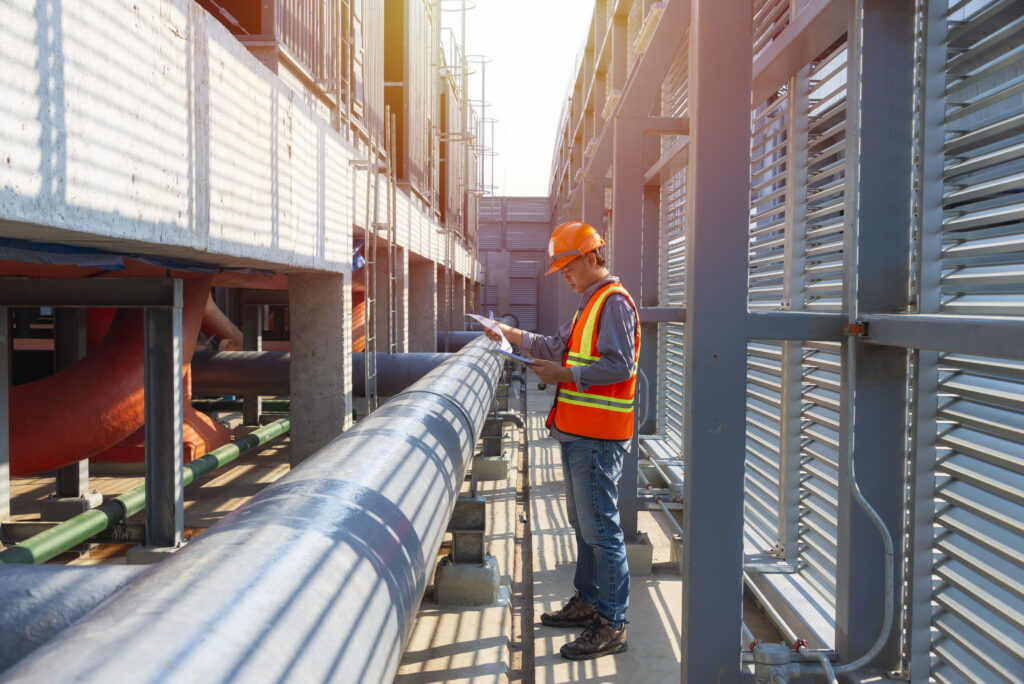
A property’s physical systems can quietly consume income long before a major failure occurs.
Recurring plumbing repairs, old water lines, drainage problems, inefficient equipment, inadequate electrical service, roof leaks and deferred exterior work may appear to be separate maintenance matters. Together, they can signal a larger problem.
Emergency repairs are usually more expensive than planned work. They can also interrupt a tenant’s business, damage the landlord-tenant relationship and weaken an owner’s negotiating position during a sale or refinance.
The objective is not to remodel everything. It is to divide the work into three categories:
Immediate risk and damage prevention
Improvements that protect or increase income
Cosmetic work that can reasonably wait
A practical improvement plan helps an owner direct money toward the work that protects the property first.
2. Below-Market Rents and Outdated Lease Terms
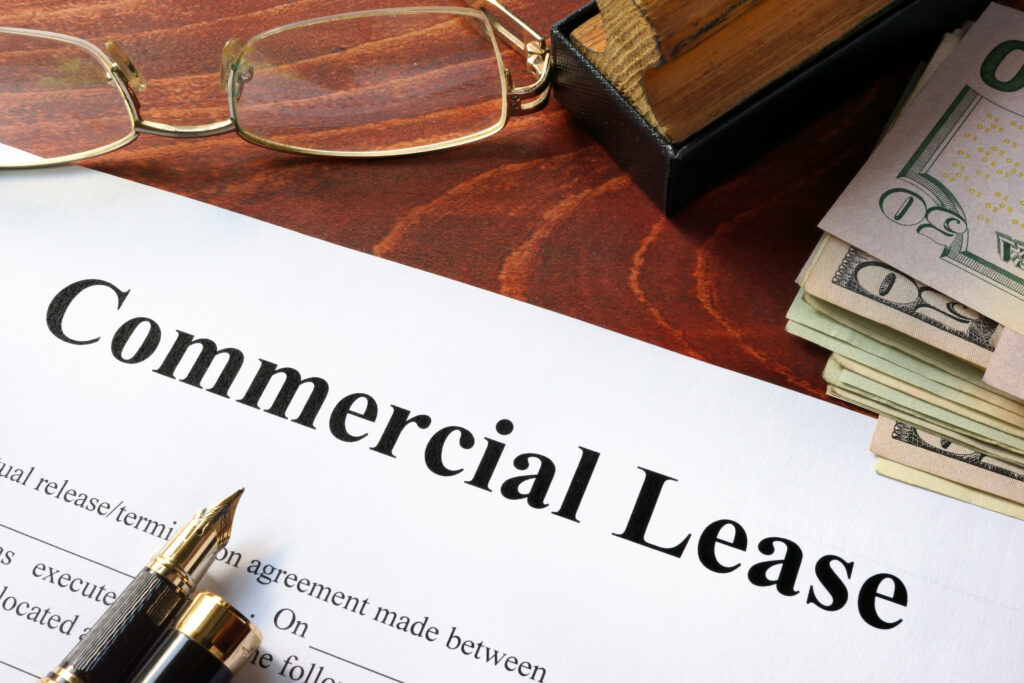
A dependable tenant paying slightly below market may be a sound ownership decision. The problem begins when the owner no longer knows how far the rent has fallen behind or what the lease is failing to recover.
Common concerns include:
Rent that has remained unchanged for years
Missing or inadequate annual increases
Weak property-tax, insurance or common-area reimbursements
Informal agreements that were never documented
Renewal options that no longer reflect the property’s market position
Every dollar of recurring income affects both cash flow and value. Owners should understand the difference between actual collected rent, current market rent and the rent that could reasonably be achieved after improvements or a future vacancy.
That does not mean pushing every tenant to the limit. It means making lease decisions with the numbers clearly understood.
3. Weak Tenant Positions and Concentrated Lease Expirations
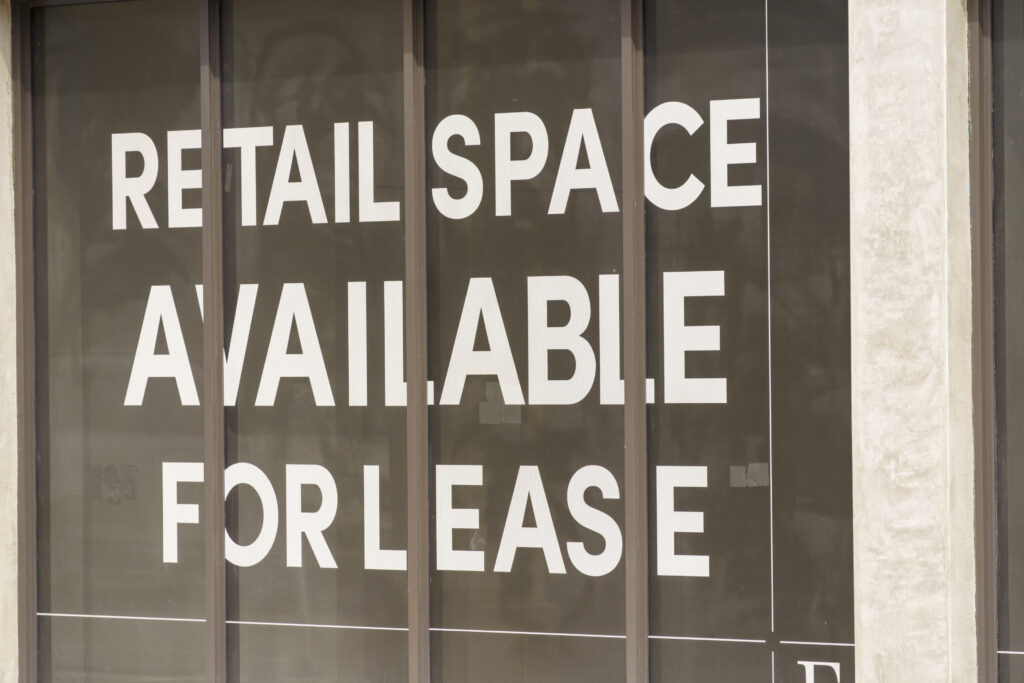
Occupancy alone does not tell the complete story.
A property may be fully leased but still face significant risk if several leases expire at the same time, a major tenant is struggling, payments cannot be properly identified or important agreements have become month-to-month.
An owner should know:
Which tenants are performing consistently
When every lease and option expires
Which tenants are likely to renew
Whether deposits, insurance and guarantees are current
How much income depends on one tenant or one business type
Early communication gives an owner more choices. Waiting until a lease is about to expire can force a rushed renewal, an avoidable vacancy or expensive concessions.
4. Underused Land, Building Area and Access

Some of the most valuable space on a commercial property may currently produce little or no income.
Examples include:
Vacant upper or lower floors
Unused storage rooms
Excess yard or parking area
Separate entrances that could support divided occupancy
Areas that could serve a quiet office, storage or low-traffic business
Land capable of supporting an additional structure or future expansion
The space may require improvements, code review or a carefully limited use. Even when it cannot be leased immediately, understanding its potential gives the owner more options.
A few hundred square feet of properly positioned space can create new income, improve tenant retention or make the entire property more attractive to a future buyer.
5. Poor Control of Operating Expenses

Revenue receives most of the attention, but expenses can drift upward for years without a complete review.
Property taxes, insurance, utilities, landscaping, waste service, recurring repairs and service contracts should be examined against the leases and actual property needs.
Questions worth asking include:
Are tenant reimbursements being calculated correctly?
Are unidentified water or utility costs increasing?
Are repeated repairs treating symptoms rather than solving the underlying problem?
Are vendors still providing competitive service?
Are expenses properly assigned between the property and its tenants?
Is the owner maintaining records that a lender or buyer can readily understand?
Reducing waste does more than improve current income. Clean operating records help support financing, valuation and buyer confidence.
6. Unrecognized Redevelopment or Repositioning Potential
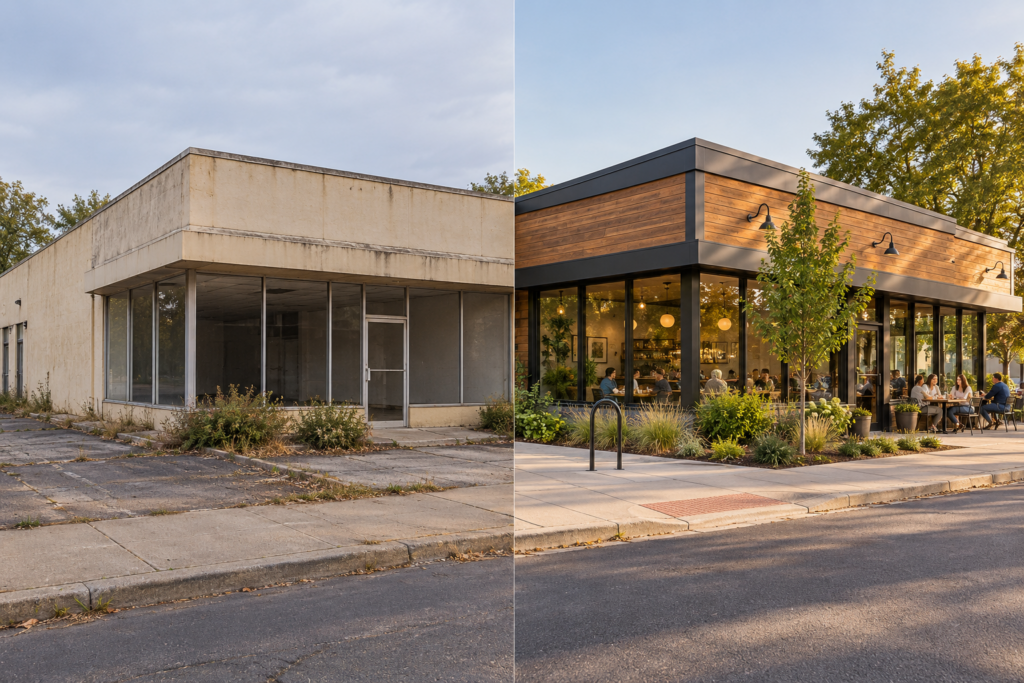
Overlooked repositioning potential can leave stronger rental income and greater property value unrealized.
A property’s current use may not represent its highest long-term value.
Zoning changes, population growth, nearby employment, transit investment and surrounding development can create opportunities that did not exist when the property was purchased.
Potential strategies may include:
Dividing or combining commercial spaces
Repositioning an outdated use
Adding residential or commercial density
Combining neighboring parcels
Expanding an existing building
Maintaining current income while planning a future redevelopment
Redevelopment does not always mean tearing down a building tomorrow. Sometimes the best decision is to preserve income, investigate the site and protect future options.
An owner should understand the opportunity before signing a long lease, making major improvements or accepting an offer based only on the existing use.
7. Selling or Refinancing Before the Property Is Ready
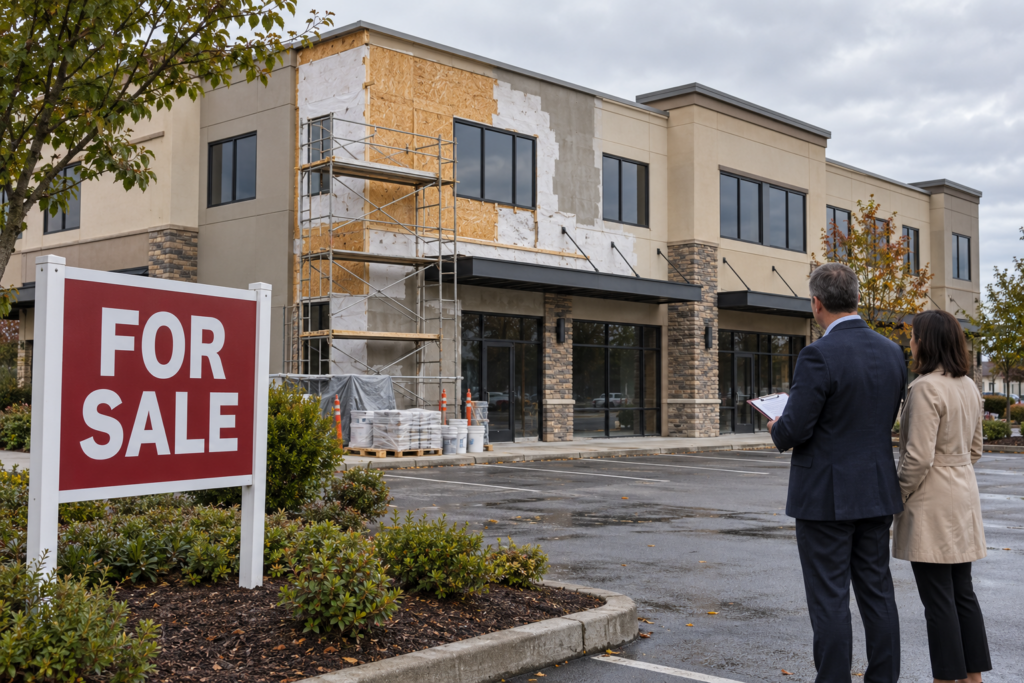
Selling or refinancing before repairs and rental income are stabilized can weaken your negotiating position and leave equity on the table.
A buyer or lender will examine the property’s weaknesses. Owners are better served by finding and addressing those weaknesses first.
Before selling or refinancing, consider whether the property would benefit from:
Renewing an important lease
Correcting unidentified or inconsistent rent payments
Collecting outstanding balances
Organizing income and expense records
Completing essential repairs
Improving the appearance of vacant or underused space
Documenting development or expansion potential
Preparing a clear rent roll and operating statement
A property presented with stable income, organized records and a credible plan will usually receive a stronger response than one surrounded by unanswered questions.
The First Step Is a Practical Property Conversation
Owners do not always need a lengthy study or an expensive redevelopment plan.
Sometimes the most useful first step is a confidential conversation about the property, its tenants, its physical condition and the owner’s objectives.
Victory Lane Brokerage works with commercial property owners who are considering leasing, income improvement, repositioning, refinancing, redevelopment or a future sale.
Our perspective combines commercial brokerage with practical construction, building-system and project-execution experience. The goal is to identify where value may be escaping and determine which opportunities deserve further attention.
Request a Confidential Commercial Property Opportunity Review
If you own commercial or multifamily property in Snohomish County or North King County, you can request a confidential review here:
https://victorylanebrokerage.com/contact/
Your inquiry will be reviewed personally by:
Victor J. Hernandez, CIPE, CPD, CNE
Designated Managing Real Estate Broker
Victory Lane Brokerage
Commercial Investment Sales, Leasing, Development and Property Oversight
(206) 245-0159

Helping owners make their
commercial properties work better.
“Where is your property losing income? Request a confidential property review.”
Recent Comments